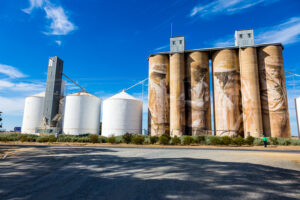
The Art Silos at Brim, Victoria
The Art Silos at Brim in Western Victoria celebrate the local famers who have lived and worked in the area for generations.

Rotate to landscape to view slideshow
About an hour’s drive from Hobart, Richmond was once a stopover on the way to the penal settlement of Port Arthur. Now you can zip over the causeways through Midway Point, but you can adopt a slower pace in Tasmania and Richmond is certainly worth the detour.
A lot of Richmond was built in the 1820’s, including the old bridge (Australia’s oldest still in use), and you can see Australia’s oldest remaining Catholic church (1836) through the arches of the bridge.
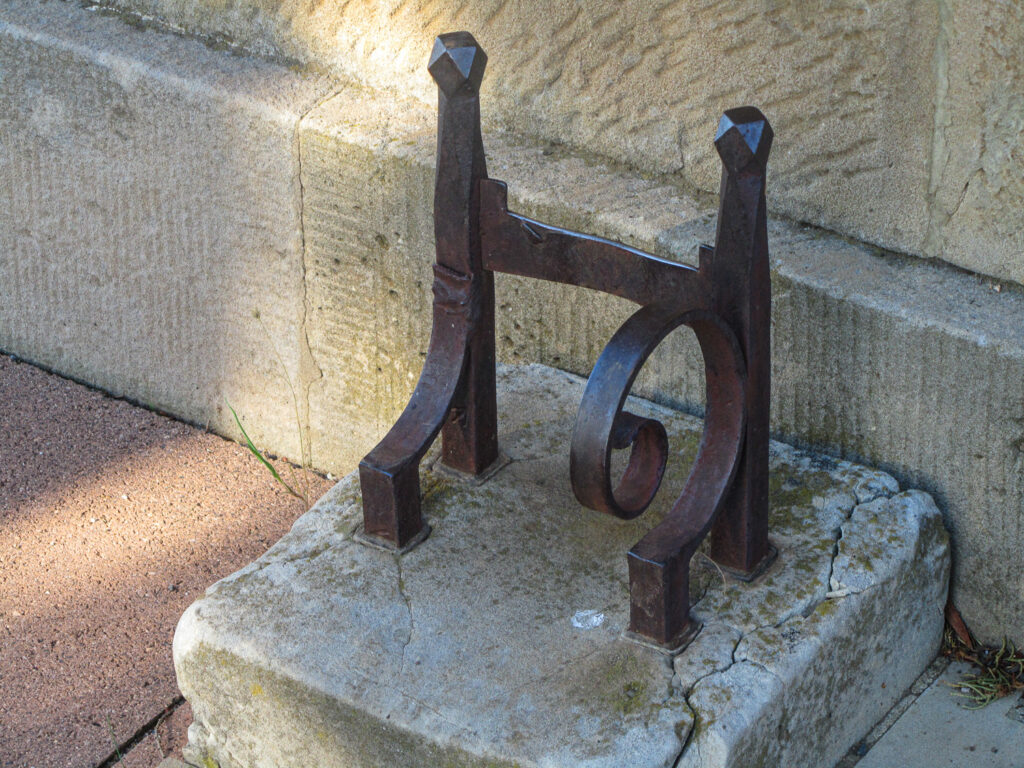
Also built in 1836 was the Anglican church St Lukes. There may be older churches in Tasmania but St Lukes has not changed since the day the first rector cleaned his boots on the marvelous boot scraper at the front door.
The clock in the tower of St Luke’s is a gift from St David’s church in Hobart. There’s a lovely stained-glass window above the alter and the timber roof is convict built. The two storey church rectory is just nearby – it’s now a private residence.
All around the town you’ll find lovely sandstone buildings, some now art galleries or cafes. You can visit Australia’s oldest goal that is still intact, grab a meal at the pituresque old hotel (maybe taste a local wine), or feed the ducks on the Coal River.
The Old Hobart Town Model Village will give you a picture of how Hobart was in the 1820’s.
And if the kids are bored by this time, pay a visit to Zoodoo, a hands-on safari and native animal park about 6kms away – but watch out for the emus!

The Art Silos at Brim in Western Victoria celebrate the local famers who have lived and worked in the area for generations.


Make sure you bring your bucket and spade, it’s the biggest sand island in the world
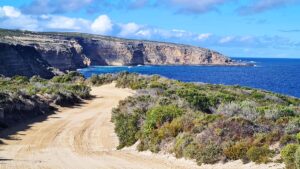
Whalers Way on Eyre Peninsula The very tip of the Eyre Peninsula in South Australia reveals magnificent coastal scenery in a drive along Whalers Way.
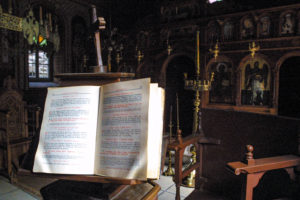
Ypsilos Monastery sits on the top of an extinct volcano. Originally built in 1101 it has had a few reconstructions since.
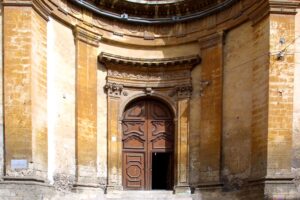
Noto is famous for its buildings from the early 18th century, many of which are considered to be among the finest examples of Sicilian baroque style. It is a place of many religious buildings and several palaces.