Fascination in Varanassi, India
The northern Indian city of Varanassi is sacred place for many religions. It has had a fascination for visitors and pilgrims for centuries

Rotate to landscape to view slideshow
Jaipur is often described as chaotic and congested, but you’ll find peace and quiet outside the city walls.
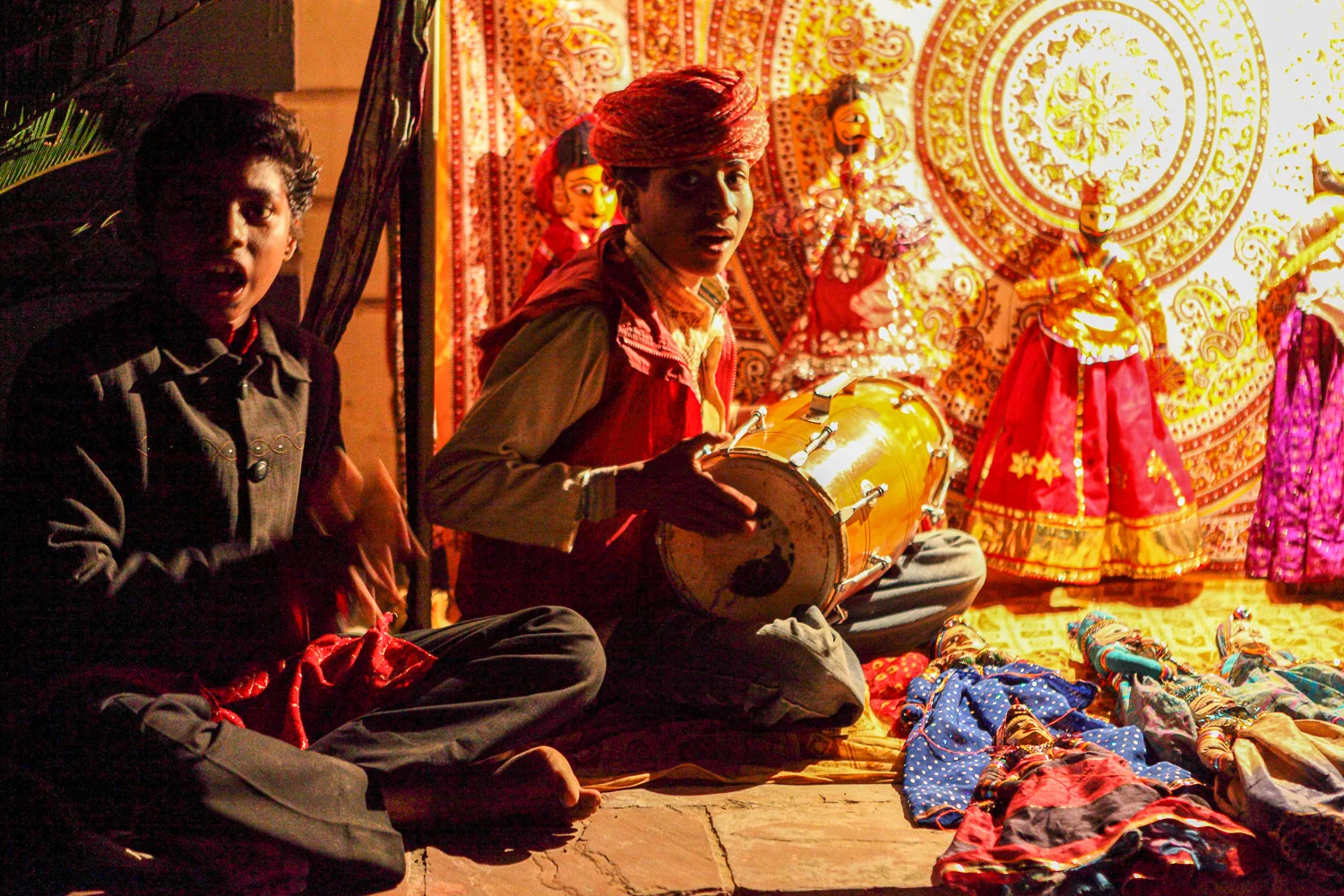
We stayed at Hotel Anuraag Villa, in the quiet (and leafy) suburb of Bani Park. The weather was nice enough to have our meals in the garden at the rear. The last night we were there a couple of young boys put on a traditional puppet show for the guests.
Our first day we spent wandering around the old city area. Known as the Pink City, there is plenty to see. Bazaars, palaces and minarets are all there. The most famous building perhaps is the five storied Hawa Mahal, built in 1799 by Maharaja Sawaj Pratap Singh to allow the ladies of his court to view the passing parade in the street below. The building is a lovely pink sandstone.
There’s a couple of must sees outside the city. One is the Nahargarh fort that sits on the ridge above the city. We walked along the raparts for about 2km – there’s some great views of the valley and Jaipur.
The other place we enjoyed was the Royal Gaitor, which are the royal cenotaphs. Just outside the city, on the day we were there, the place was quiet and deserted.
And maybe we shouldn’t forget the Temple of the Sun God, about 2.5kms away from Jaipur. But beware of the monkeys – they gather here at dusk and can get very aggressive if you withhold the peanuts.
You can read more about the Temple of the Sun.
The northern Indian city of Varanassi is sacred place for many religions. It has had a fascination for visitors and pilgrims for centuries
Built during the second half of the 16th century by the Emperor Akbar, Fatehpur Sikri was the capital of the Mughal Empire for only some 10 years. It’s a celebration of red sandstone.
Words cannot adequately paint a picture of the experience of seeing this complex. It’s exhilarating.
We took the early morning ferry from Trapani (Sicily) to sail to Tunis. We got to the dock at around 7am. The ferry had already arrived, coming down from Sardinia, and the semi-trailers were rolling off.
Dougga is one of the best of the ancient Roman town sites we have seen, a good rival to Ephesus in Turkey.
Fifteen 15 stained-glass windows separated by narrow columns soar up to the ceiling which is studded by golden stars against a blue background.