Le Kef, Tunisia
There are two things to see in Le Kef – the Kasbar on top of the hill and the Musée des Arts et Traditions Populaires.
Rotate to landscape to view slideshow
This link has contact information for the train.
Le Lézard Rouge is an old beyical train that travels the route between Metlaoui and Redeyef. It travels across the flat rocky desert that surrounds this Southern Tunisian town, up through the Selja Gorge, and on to the phosphate mining areas in the mountains.
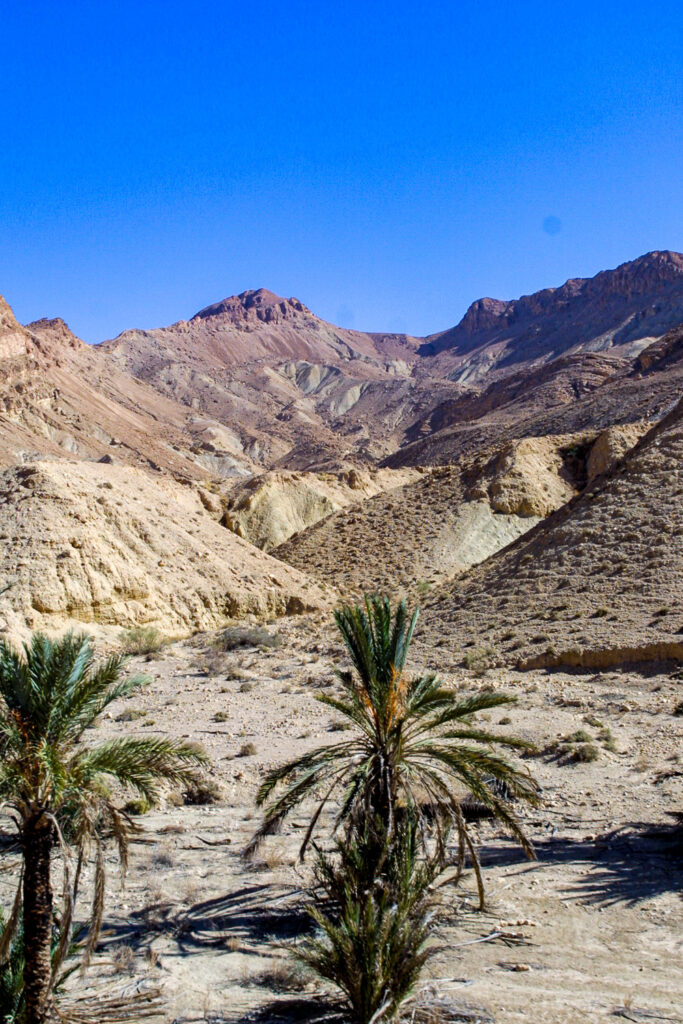
Besides the old fashion charm of the train, the trip provides a glimpse of rugged crags, sparkling mountain springs and deep ravines.
As you leave Metlaoui, the train runs alongside the local market, and gives a long whistle blast as we approach a road crossing. Donkeys and kids scatter.
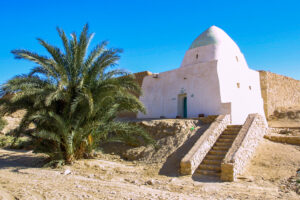
And now we are travelling across the desert floor towards the mountains. It’s a hard rocky surface with occasional dry creek beds and a lonely white mosque that glints in the morning sun.
The Lezard Rouge train was built in France around 1926 and given to the Bey of Tunis for his trips between Bardo, Tunis, Hammam-Lif and La Marsa.
With the Tunisian monarchy gone after declaration of independence in Tunisia in 1956 and the proclamation of the Republic in 1957, the train which represented a colonial and monarchical symbol was abandoned for years. It reappeared in 1975 under its new name Le Lezard Rouge. It was only in 1984, after restoration and refurbishment that it began operating in southern Tunisia as a tourist train.
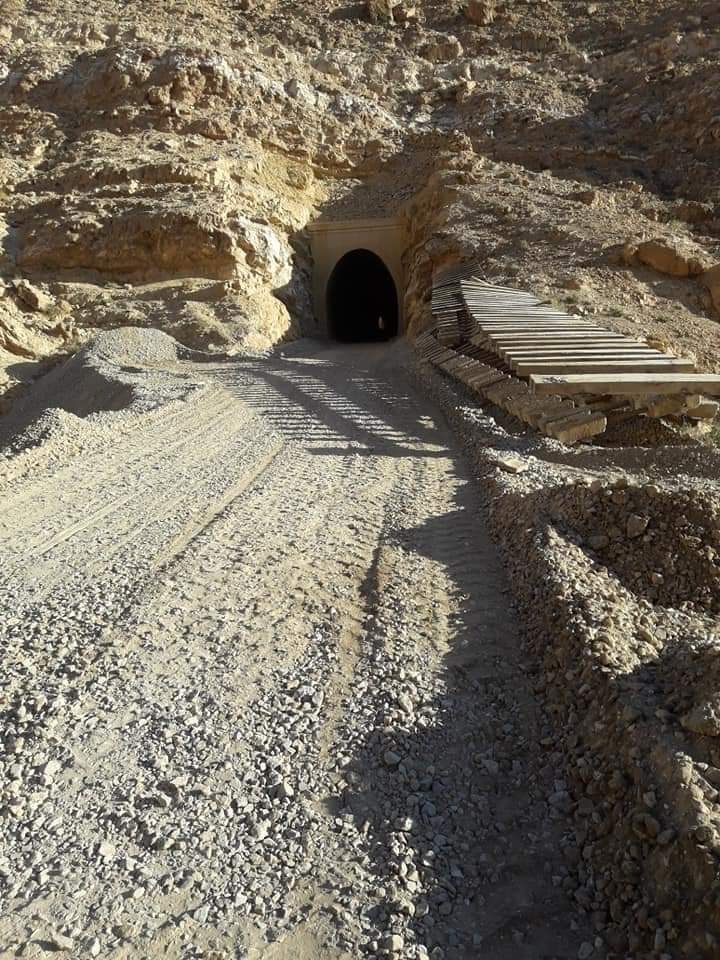
The Lezard Rouge is made up of six wagons including the beylical wagon and a bar wagon where refreshments are served. You can walk through the carriages during the journey. The train crosses a variety of landscapes including deserts and mountain gorges. There are several tunnels. The train makes a couple of photo stops on the journey between Metlaoui and Redeyef (where the phosphate mines are situated).
We climb though gorges and tunnels and, for a while, we are travelling alongside a small stream fed by a mountain spring. Life and greenery clutches at the banks for a few metres either side of the water, until eventually the stream gushes out towards the hungry desert and is lost.
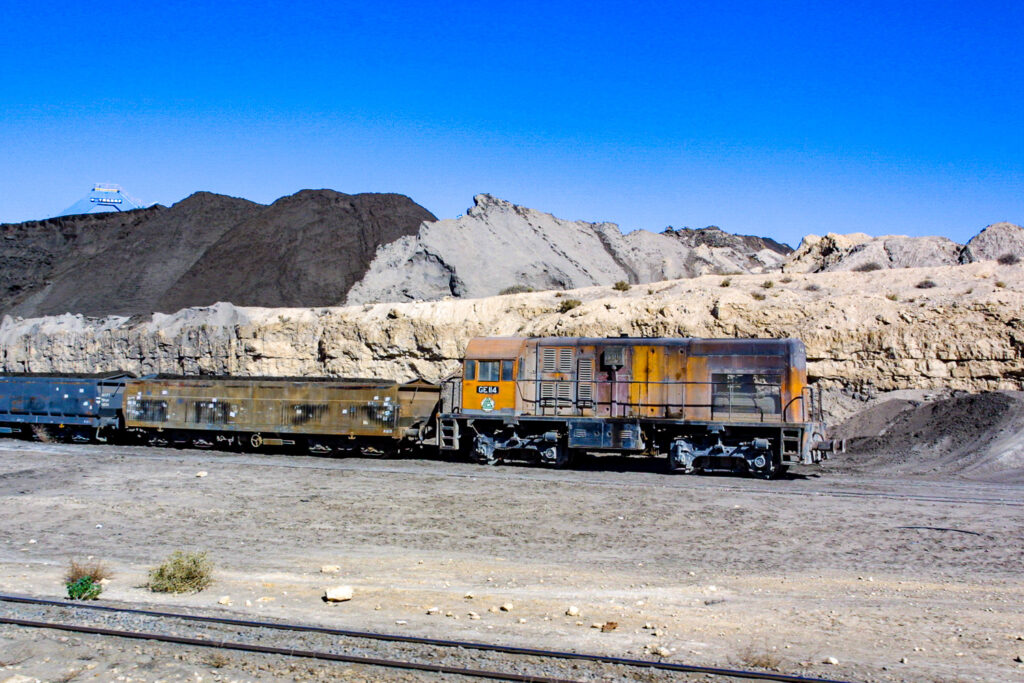
We reach the phosphate mining area where a track siding enables our engine to uncouple and reposition at our rear, and we head back down the track to enjoy the scenery once more as we return to Metlaoui.
So join us, sit back and relax, and enjoy the experience of ……Le Lézard Rouge

There are two things to see in Le Kef – the Kasbar on top of the hill and the Musée des Arts et Traditions Populaires.

The Bardo Museum in Tunis displays the best collection of Carthaginian and Roman mosaics perhaps ever assembled – don’t miss it.

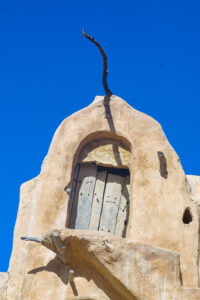
The old village of Tamerza was abandoned in 1969 after 22 days of heavy rain destroyed the traditional mud brick structures.

Serra San Bruno is high up in the mountains of Southern Italy. You get there on a twisting road that snakes up through the highland forests.
Trees hang over the road to create a tunnel that filters the sun and cools the air. Snow signs warn that, in winter, this could be a more tortuous trail.

An easy 24 km drive from Hobart, Richmond is a town that is rich in history. Boasting Australia’s oldest remaining Catholic church, St. John’s, built in 1836, the oldest goal that’s still intact, and the oldest bridge that’s still in use.