Wilpena Pound
Wilpena Pound, also known by its indigenous Adnyamathanha name of Ikara, meaning “meeting place”, is a natural amphitheatre of mountains located 429 kilometres north of Adelaide, South
Rotate to landscape to view slideshow
It’s an iconic area of one of Tasmania’s national parks and anyone can visit.
Even if you just drive in to the shores of Dove Lake and look up at Cradle Mountain from the boat house, it’s a great experience.
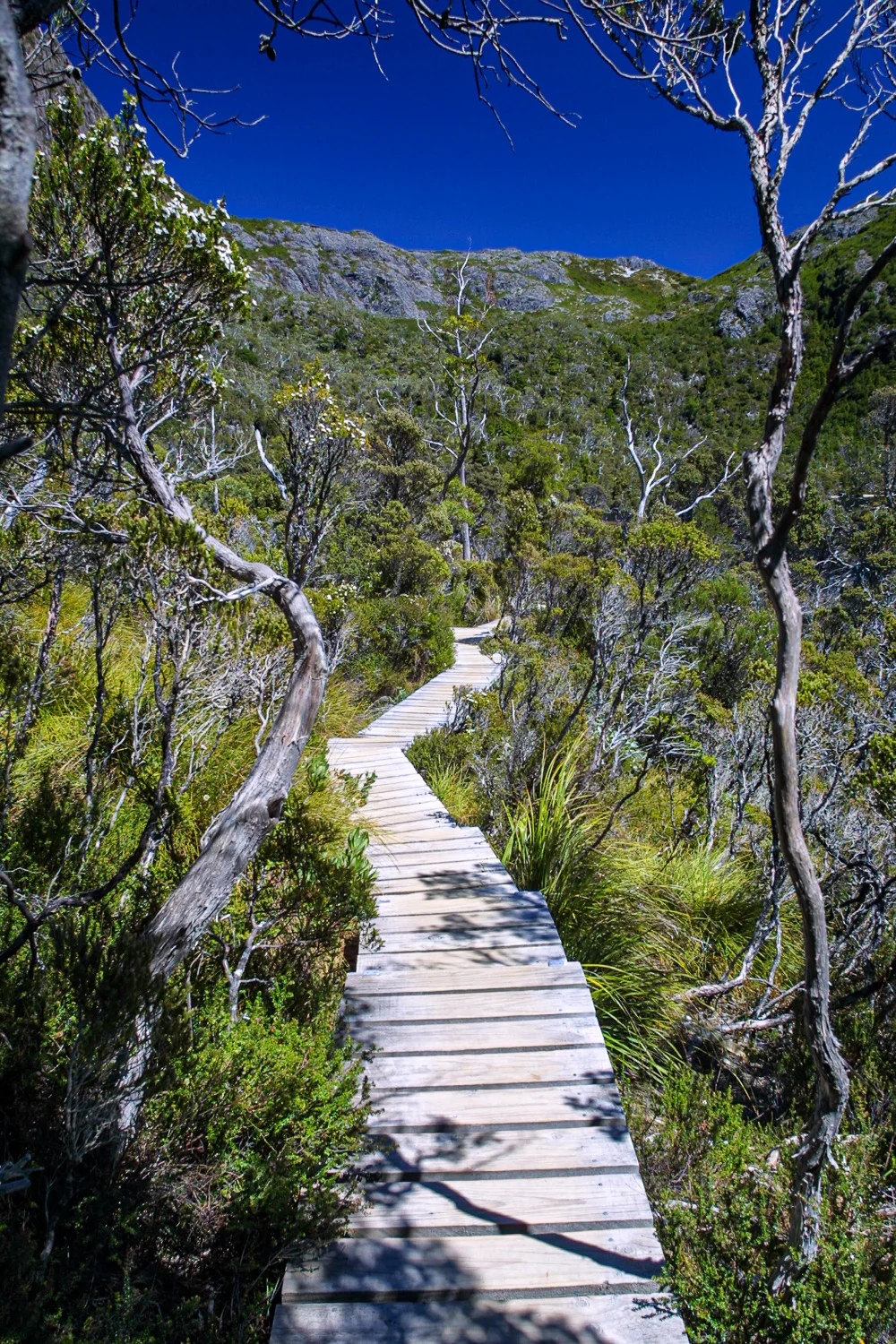
There are well made walking trails you can enjoy that protect the alpine ecology from foot traffic. And you can say “Goodluck” to those who are taking the six day hike of the Overland Track down to the Lake St Clair end of the park.
The walk around Dove Lake takes you under the base of Cradle Mountain.There’s plenty of places to rest and relax and enjoy the scenery. Call in at the Visitor Centre to get advice about about the full range of walks.
During winter there is often snow on Cradle Mountain which makes for a spectacular sight.
Wilpena Pound, also known by its indigenous Adnyamathanha name of Ikara, meaning “meeting place”, is a natural amphitheatre of mountains located 429 kilometres north of Adelaide, South
You can see Australian native animals at The Healesville Animal Sanctuary – an amazing place a couple of hours drive from Melbourne in Victoria, Australia. Here you will experience up-close encounters with a range of Australian wildlife, including kangaroos, dingoes, koalas, birds, snakes, and the strange platypus.
An easy 24 km drive from Hobart, Richmond is a town that is rich in history. Boasting Australia’s oldest remaining Catholic church, St. John’s, built in 1836, the oldest goal that’s still intact, and the oldest bridge that’s still in use.
The world’s greatest art museum – the Mona Lisa, the Venus de Milo and Winged Victory – just get lost and enjoy it.
The Monastery of Pedralbes in Barcelona, now a museum, housing permanent exhibitions consisting of art collected by the monastery, and visiting exhibitions.
A wonderful old train journey through spectacular gorges and desert scenery in the luxury of a train that once belonged to the Bey of Tunis.