Taj Mahal, Agra
Words cannot adequately paint a picture of the experience of seeing this complex. It’s exhilarating.

Rotate to landscape to view slideshow
Fatehpur Sikiri is a about 40kms from Agra. It was the capital of the Mughal Empire 1571 to 1585 and then abandoned. Our hotel suggested a driver to us and it was a good option. Our driver shielded us from the hawkers and it made for a more pleasant time.
The Fatehpur Sikri complex is in two parts – the palace and the mosque. Both are interesting. The palace is a celebration of red sandstone and beautiful carvings showing both Isamic and Hindu influences. You are free to wander around.
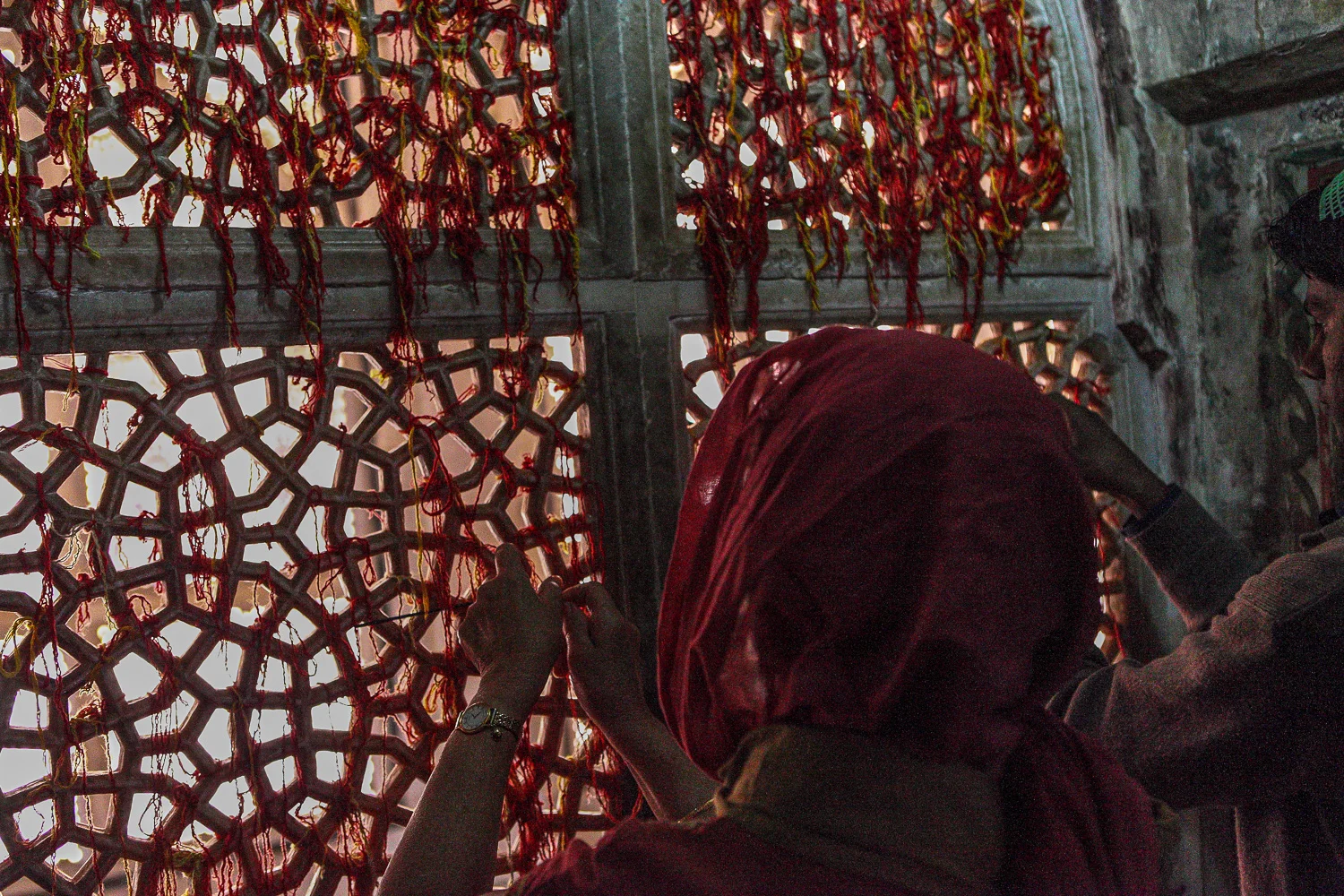
The mosque reputably has the tallest gateway in the world – it is impressive. Inside you can buy a piece of material to deposit on the white marble tomb of Sufi saint Salim Chishti. Just remember that your devotional offering will be resold to another gullible tourist soon after you’ve laid it. But it’s an experience to participate.
On the way home from Fatehpur Sikri, we bought a small piece of the red sandstone that had been intricately carved in the form of an incense burner. It’s nice to know that the art of the ancient artisans still lives on.
Words cannot adequately paint a picture of the experience of seeing this complex. It’s exhilarating.
Jaipur, a city of around three million people has the hustle and bustle of a modern overcrowded metropolis and the history of a rich royal past
The northern Indian city of Varanassi is sacred place for many religions. It has had a fascination for visitors and pilgrims for centuries
Once used to take copper ore for the Mt Lyell Mining Company from Queenstown to Strahan in Tasmania, the railway now carries tourists.
Fifteen 15 stained-glass windows separated by narrow columns soar up to the ceiling which is studded by golden stars against a blue background.